10 Listing Photo Strategies That Sell Homes Faster (With AI Staging Examples)
Proven listing photo strategies used by top-producing agents — from composition and lighting to AI staging techniques that make buyers stop scrolling and start scheduling showings.

The data is unambiguous: listings with high-quality photos sell 32% faster and for significantly more money than those with average or poor photography. In a market where over 95% of buyers begin their search online, your listing photos are not supporting materials — they are the product. Every pixel is either generating interest or losing it.
Yet most agents treat listing photography as an afterthought. A quick phone snap, a few dark interior shots, and a hope that the property will "show better in person." That approach costs sellers money and costs agents their reputation.
This guide breaks down 10 proven listing photo strategies used by top-producing agents — each one practical, actionable, and amplified by modern tools like AI virtual staging. These are not vague suggestions. They are the specific techniques that separate listings that sell in days from listings that linger for weeks.
1. Shoot During Golden Hour for Natural Light That Sells
Why It Matters
Light is the single most important factor in real estate photography. Harsh midday sun creates blown-out windows and deep shadows. Overcast skies produce flat, uninviting images. But golden hour — the 60-90 minutes after sunrise and before sunset — delivers warm, directional light that makes every room feel inviting and every exterior look magazine-worthy.

How to Execute
- Schedule exterior shots for golden hour. The warm light hitting the facade creates depth and dimension that midday shots cannot replicate.
- For interiors, shoot when natural light fills the room without direct sun creating hot spots. Mid-morning or late afternoon typically works best, depending on which direction the windows face.
- Turn on all interior lights to supplement natural light and eliminate dark corners.
The AI Staging Advantage
When you shoot in optimal lighting conditions, AI staging tools like StagingSpaces produce dramatically better results. The AI uses existing light cues in your photo to place furniture with realistic shadows and reflections. Better input light means more photorealistic staging output — every time.
2. Use a Wide-Angle Lens (But Avoid the Fisheye Trap)
Why It Matters
Wide-angle lenses make rooms feel spacious and allow you to capture more of the space in a single frame. They are essential for real estate photography. But there is a critical distinction between wide-angle and ultra-wide or fisheye distortion — and crossing that line destroys buyer trust.

How to Execute
- Use a focal length between 16mm and 24mm (full frame equivalent). This range captures space accurately without warping walls, bending door frames, or making rooms appear deceptively large.
- Keep the camera level. Tilting up or down exaggerates distortion. Use a tripod with a bubble level.
- Shoot from doorways and corners to maximise the sense of space while maintaining accurate proportions.
The AI Staging Advantage
AI staging algorithms are calibrated for standard wide-angle perspectives. When your photos use an appropriate focal length with minimal distortion, the furniture placement, scale, and perspective matching are significantly more accurate. Fisheye-distorted images produce staging that looks obviously artificial — defeating the entire purpose.
3. Stage Before You Shoot — Or AI Stage After
Why It Matters
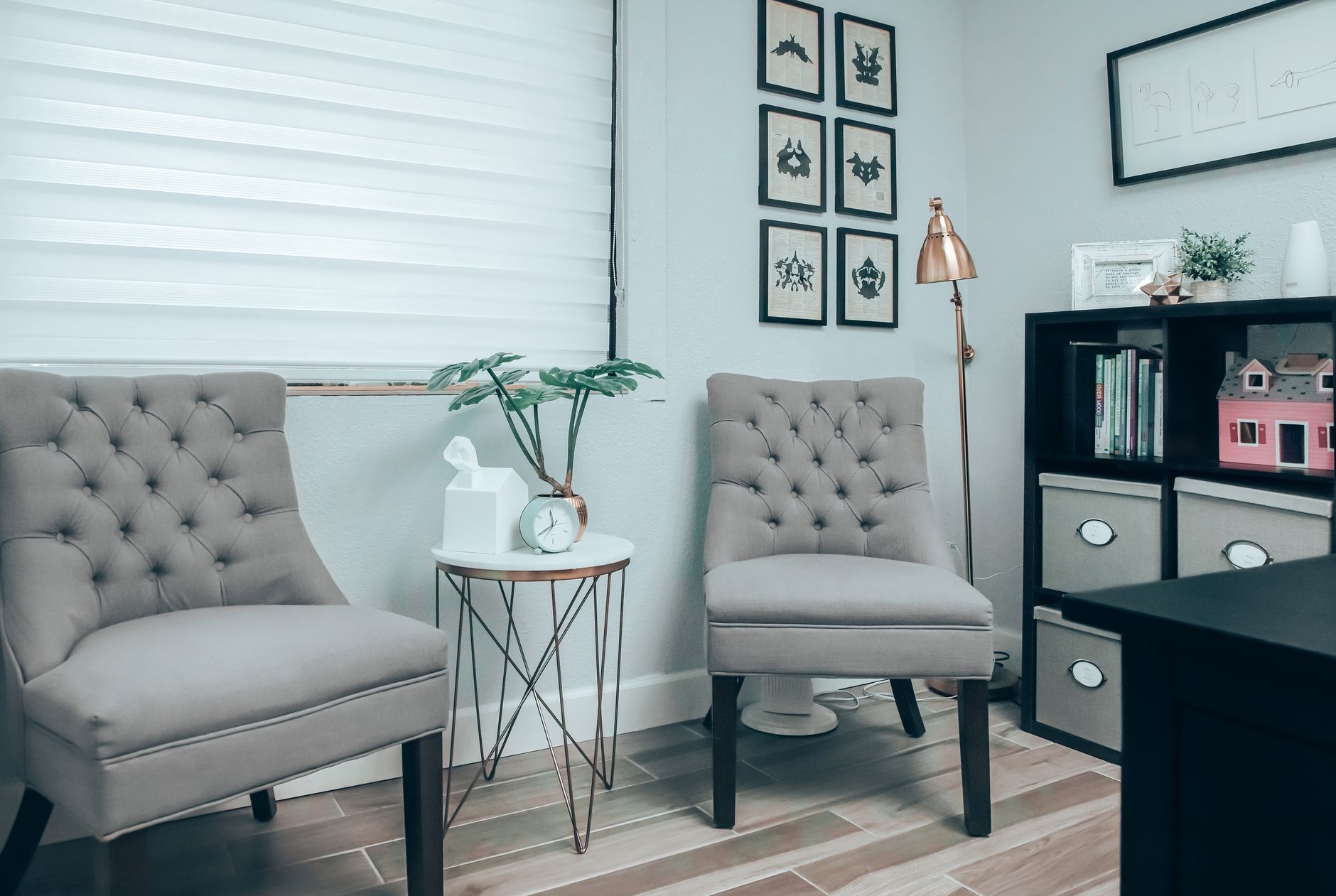
Empty rooms photograph poorly. Without furniture, buyers cannot gauge scale, struggle to imagine how they would use the space, and default to noticing every flaw — scuff marks, dated flooring, awkward layouts. Staged rooms outsell empty rooms by measurable margins across virtually every market and price point.
How to Execute
- If the home is occupied, work with the homeowner to declutter and arrange furniture for photography. Remove personal items, excess furniture, and anything that distracts from the space.
- If the home is vacant, this is where AI staging transforms your workflow. Upload your vacant photos to StagingSpaces, select a design style that matches the home's architecture and target buyer, and receive photorealistic staged images in minutes.
- Offer both versions. Include vacant photos for transparency and AI-staged photos to sell the lifestyle. Buyers appreciate the honesty and are captivated by the vision.
The AI Staging Advantage
Traditional physical staging costs $2,000-$8,000 per property and requires days of coordination. AI staging costs under $50 and delivers results the same day you shoot. For agents managing multiple listings, this is the difference between staging every property and staging none of them.
4. Declutter Ruthlessly
Why It Matters
Clutter is the silent killer of listing photos. It makes rooms feel smaller, distracts from architectural features, and forces the buyer's eye to work too hard. Every object in the frame should either sell the home or be removed.
How to Execute
- Clear all countertops in kitchens and bathrooms. Leave one or two styled items maximum — a cutting board with a plant, a single soap dispenser.
- Remove all personal photos, magnets, children's artwork, and religious items. Buyers need to see themselves in the home, not the current owner.
- Minimise furniture. If a room has too much furniture, remove pieces until the space feels open and the traffic flow is clear.
- Hide all cords, cables, and charging stations. These small details accumulate into visual noise.
The AI Staging Advantage
For vacant properties, AI staging inherently delivers a decluttered aesthetic — every piece of virtual furniture is intentionally placed. For occupied homes, some agents photograph rooms empty after the owner has moved out, then use AI staging to present the ideal version of each space. The result is cleaner and more aspirational than most occupied homes can achieve.
5. Lead with the Hero Shot
Why It Matters
Your first listing photo determines whether a buyer clicks into the listing or scrolls past it. On Zillow, Redfin, and Realtor.com, that first thumbnail image is the most valuable piece of real estate marketing you will ever produce. It must stop the scroll.

How to Execute
- For homes with strong curb appeal, lead with an exterior shot taken during golden hour. Include landscaping, a clear sky, and the full facade.
- For homes where the interior is the selling point — a stunning kitchen renovation, dramatic living room, or exceptional view — lead with the strongest interior shot.
- Test your hero shot. Show it to someone unfamiliar with the property and ask: "Would you click on this?" If there is any hesitation, choose a different image.
The AI Staging Advantage
AI staging can turn your best interior room into a hero shot that competes with any listing on the market. A vacant living room with great bones becomes a designer-styled showcase that commands attention in a sea of mediocre thumbnails. StagingSpaces lets you stage multiple versions of the same room to find the one that performs best.
6. Show Lifestyle, Not Just Space
Why It Matters
Buyers do not purchase square footage — they purchase the life they imagine living in that space. The most effective listing photos tell a story: morning coffee on the patio, dinner parties in the dining room, quiet evenings in the reading nook. Lifestyle-driven imagery creates emotional connection, and emotional connection drives offers.
How to Execute
- Stage vignettes within rooms. A breakfast setting on the kitchen island, an open book and throw blanket on the sofa, a laptop and coffee on a home office desk.
- Photograph outdoor living spaces as rooms, complete with furniture, lighting, and accessories.
- Include neighbourhood context where possible — walkable streets, nearby parks, lifestyle amenities.
The AI Staging Advantage
AI staging excels at lifestyle storytelling. StagingSpaces can generate a dining room set for an intimate dinner, a living room arranged for entertaining, or a bedroom that feels like a boutique hotel retreat. These are not generic furniture drops — they are curated scenes that help buyers emotionally commit before they ever walk through the door.
7. Edit Professionally: White Balance, Exposure, and HDR
Why It Matters
Straight-out-of-camera photos rarely represent a property accurately or attractively. Professional editing corrects colour casts, balances exposure across windows and interiors, and ensures the final image matches what the eye sees when standing in the room. Unedited photos look amateur. Over-edited photos look dishonest. The goal is polished realism.
How to Execute
- Correct white balance so whites are true white, not yellow or blue. This is the most common amateur mistake.
- Use HDR blending (multiple exposures combined) to balance bright windows with darker interiors. This prevents the "blown out windows" problem that plagues single-exposure shots.
- Adjust exposure and contrast to ensure rooms feel bright and welcoming without looking artificial.
- Straighten vertical lines. Lens correction in Lightroom or Photoshop ensures walls and door frames are perfectly vertical.
The AI Staging Advantage
StagingSpaces' enhancement pipeline automatically optimises colour balance, contrast, and lighting in staged images. The output is professionally graded without requiring manual editing — saving agents hours of post-production time per listing.
8. Use AI Staging for Every Empty Room
Why It Matters
Empty rooms are conversion killers. Data from multiple MLS studies confirms that listings with furnished photos receive 40-80% more online engagement than those showing vacant spaces. Every empty room in your listing is a missed opportunity to connect with buyers.
How to Execute
- Stage the living room, primary bedroom, kitchen, and dining room at minimum. These are the four rooms buyers evaluate most critically.
- Match staging style to the home's architecture and target buyer. A mid-century modern home should not be staged with farmhouse furniture, and a suburban family home should not be staged with minimalist bachelor-pad aesthetics.
- Use consistent styling across all rooms. The staging should feel like one cohesive home, not a furniture showroom with disconnected themes.
The AI Staging Advantage
This is where StagingSpaces delivers its highest-impact value. Upload vacant photos, select a cohesive design style, and receive a complete set of staged images that look like a professional interior designer furnished the entire home. The consistency, quality, and speed are unmatched by any other staging method at this price point.
9. Order Photos Strategically in Your MLS Listing
Why It Matters
Photo order is a narrative structure. The sequence in which buyers see your images shapes their perception of the home, and most agents give this zero thought — simply uploading photos in the order they were taken. Top producers treat photo order as a deliberate storytelling exercise.
How to Execute
- Photo 1: Hero shot (strongest exterior or interior image).
- Photos 2-4: Primary living spaces — kitchen, living room, dining room.
- Photos 5-7: Primary bedroom, bathroom, secondary bedrooms.
- Photos 8-10: Bonus spaces — home office, media room, flex space.
- Final photos: Outdoor living, backyard, neighbourhood amenities, and lot/aerial views.
- Never end with a photo of the garage, utility closet, or laundry room. End on a high note — a sunset patio shot or a wide view of the backyard.
The AI Staging Advantage
With AI-staged images for every key room, you have full control over the visual narrative. There are no gaps where a vacant room breaks the spell. Every image in the sequence reinforces the same message: this home is move-in ready, beautifully designed, and worth seeing in person.
10. Optimise Every Image for Mobile Viewing
Why It Matters
Over 75% of home buyers browse listings on their phones. Your photos are being viewed on a 6-inch screen, often in bright sunlight, while the buyer is multitasking. If your images do not read clearly at thumbnail size on a mobile device, they are effectively invisible.

How to Execute
- Ensure key elements are visible at small sizes. A wide shot of a living room with tiny furniture is less effective on mobile than a tighter composition that fills the frame.
- Use bright, high-contrast images. Dark or low-contrast photos disappear on mobile screens, especially outdoors.
- Check your listing on a phone before publishing. Open Zillow or your MLS app, pull up the listing, and swipe through every photo. If any image looks unclear, replace it.
- Crop for landscape orientation. Most MLS platforms and portals display photos in landscape format. Vertical photos get awkwardly cropped or display with black bars.
The AI Staging Advantage
StagingSpaces generates images optimised for digital presentation — bright, well-composed, and high-resolution. The staged furniture adds visual weight and contrast that reads clearly even on small screens, ensuring your listing performs on the device where most buyers will first encounter it.
The Compound Effect of Getting Photos Right
Any one of these strategies will improve your listing performance. Combined, they create a compound effect that dramatically separates your listings from the competition. Better light, better composition, professional staging, strategic ordering, and mobile optimisation — each element reinforces the others.
The agents who consistently sell faster and for more money are not lucky. They are disciplined about the details that buyers notice, even when buyers cannot articulate what made them click, save, and schedule a showing.
StagingSpaces makes the most impactful of these strategies — professional-quality staging — accessible to every agent, for every listing, at every price point. The technology exists. The data supports it. The only question is whether you will use it before your competition does.