How to Stage an Empty House for Sale in 2026 (AI vs Physical)
A practical room-by-room guide to staging empty homes for sale — comparing AI virtual staging and physical staging, with photography tips and strategies that sell.
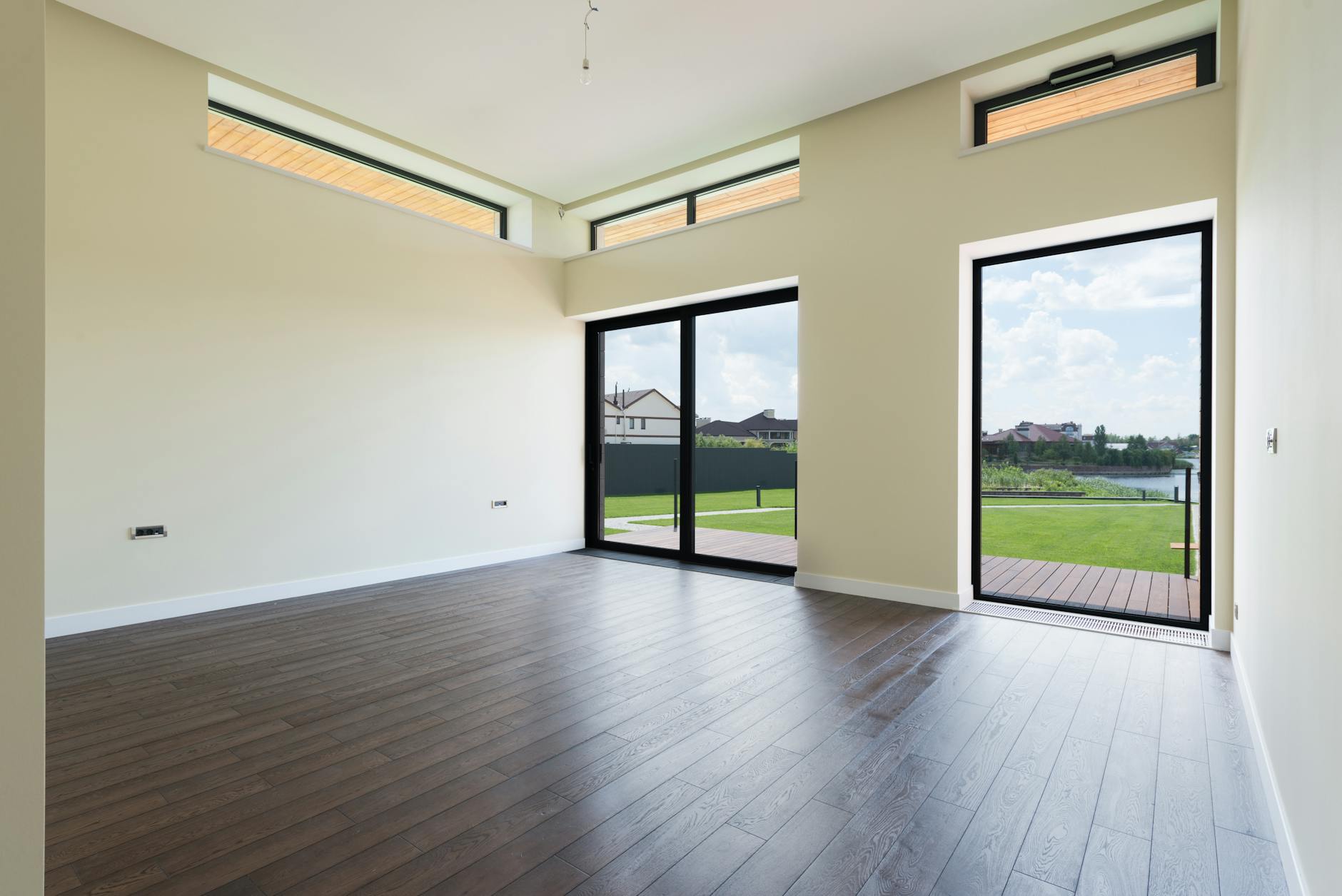
Empty rooms kill deals. According to the National Association of Realtors, 83% of buyers' agents say staging makes it easier for clients to visualize a property as their future home — and that number climbs even higher when the alternative is staring at blank walls and hollow echoes during a showing.
The challenge is real: vacant properties sit on the market 12 to 18 days longer than staged equivalents, and they typically sell for 6% to 10% less than their staged counterparts. For a $500,000 listing, that is $30,000 to $50,000 left on the table.
Whether you choose AI virtual staging, traditional physical staging, or a strategic blend of both, this room-by-room guide will help you transform empty spaces into aspirational homes that command top dollar.
The Empty Room Problem — and Why It Matters
Human beings are remarkably poor at spatial reasoning. When a buyer walks into an empty living room, they cannot intuitively gauge whether their sectional sofa will fit. They struggle to imagine where to place a dining table. They fixate on imperfections — a scuff on the baseboard, a slightly off-white patch on the wall — because there is nothing else to draw the eye.
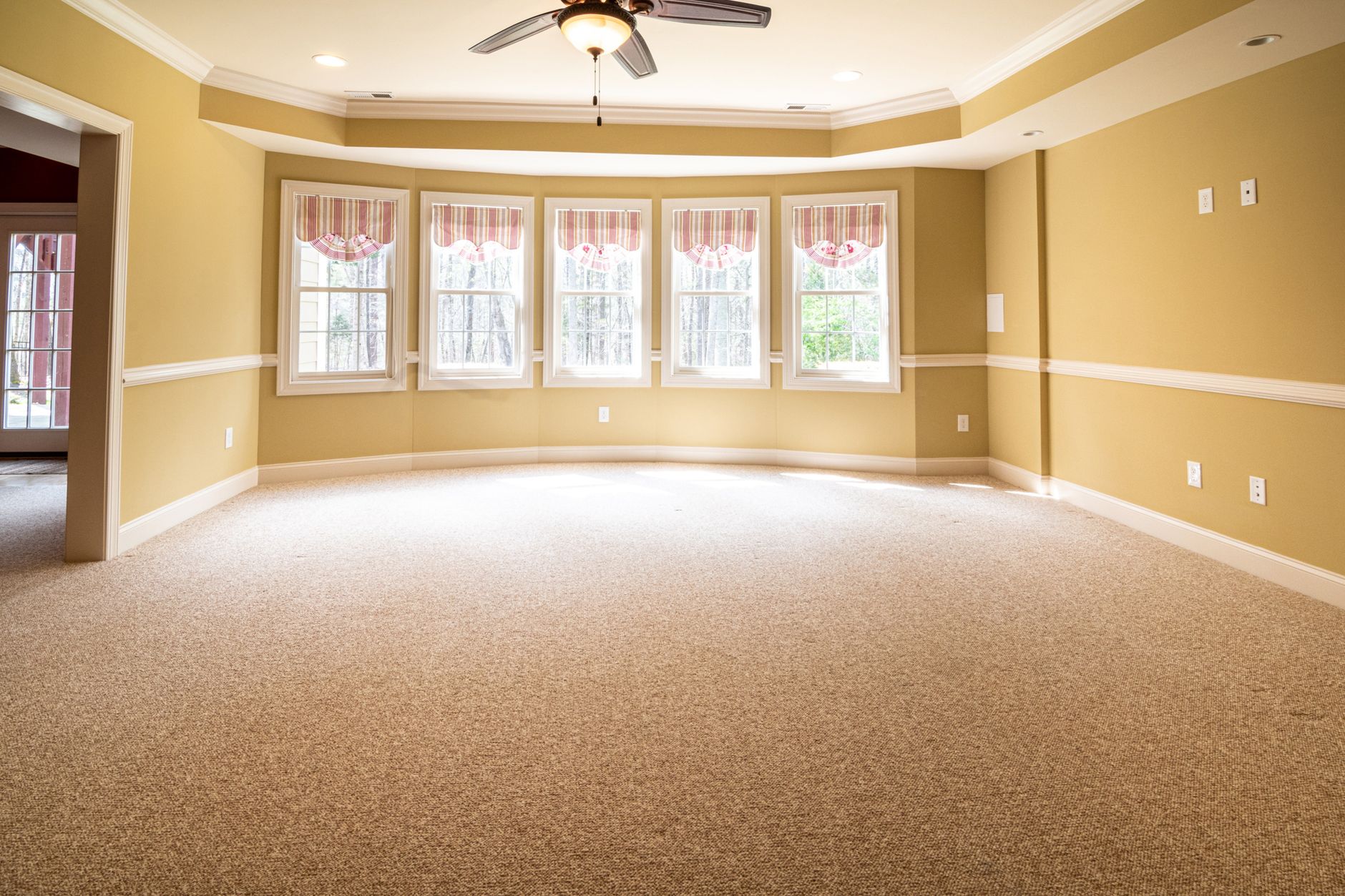
Staging solves this by providing context. It gives every room a purpose, a sense of scale, and an emotional narrative that makes buyers think, "I could live here."
The question is no longer whether to stage. It is how.
Room-by-Room Staging Guide
Living Room
The living room sets the emotional tone for the entire showing. It needs to feel spacious yet inviting, curated yet livable.
- Anchor the space with a generously sized area rug that defines the seating zone
- Create a conversation layout — sofa facing two accent chairs with a coffee table between them
- Add warmth through layered lighting: a floor lamp, table lamp, and overhead fixture all turned on
- Include lifestyle details like a neatly stacked set of design books, a throw blanket draped over the armrest, and a single statement plant
- Keep the colour palette neutral with two or three accent colours drawn from the architecture
With AI staging through platforms like StagingSpaces, you can test multiple living room layouts in minutes — modern minimalist, transitional, farmhouse — and select the version that resonates most with your target demographic.
Master Bedroom
Buyers want the master bedroom to feel like a retreat. Serenity sells.
- Use a king-sized bed as the focal point, centred on the longest wall
- Layer the bedding — fitted sheet, flat sheet, duvet, two euro shams, two standard pillows, and one or two decorative cushions
- Place matching nightstands with table lamps on both sides to signal symmetry and balance
- Add a bench or upholstered ottoman at the foot of the bed to suggest generous floor space
- Hang curtains high and wide to make windows appear larger and ceilings taller
Kitchen
Kitchens and bathrooms sell houses. The kitchen does not need furniture in the traditional sense, but it absolutely needs styling.
- Clear every countertop except for one curated vignette — a wooden cutting board, a ceramic vase with greenery, and a stylish cookbook
- Add under-cabinet lighting or replace yellowed bulbs with bright, warm-white LEDs
- Stage the breakfast nook or island with two to three bar stools and a simple place setting
- Remove all personal items including magnets, school schedules, and takeaway menus from the refrigerator
Dining Room
An empty dining room reads as wasted space. A staged dining room reads as a place for Sunday dinners and holiday gatherings.
- Choose a table proportional to the room — too small looks awkward, too large feels cramped
- Set the table for four to six with simple white plates, linen napkins, and wine glasses
- Hang a statement pendant light or chandelier above the table to create a focal point
- Add a sideboard or buffet against one wall to demonstrate storage potential
Home Office
With remote and hybrid work now standard for 58% of the professional workforce, a dedicated home office is a significant selling point.
- Position a clean-lined desk facing or perpendicular to the window
- Add an ergonomic chair that signals this is a real workspace, not an afterthought
- Include a small bookshelf styled with a mix of books, a plant, and one or two decorative objects
- Ensure the room has strong natural light — open blinds fully and clean the windows
Bathroom
Bathrooms should evoke a spa experience. Less is always more here.
- Roll three to five plush white towels and stack them on the counter or in an open shelf
- Add a single orchid or eucalyptus branch in a clear glass vase
- Replace dated fixtures — a new faucet and modern cabinet hardware cost under $200 and deliver an outsized return
- Remove all personal products and replace with a single bottle of premium hand soap
AI Virtual Staging vs Physical Staging: When to Use Each
Physical Staging Works Best When:
- The property is occupied and you are rearranging or supplementing existing furniture
- You are hosting multiple open houses over several weeks and need a persistent physical setup
- The home is luxury-tier ($1M+) and buyers expect a sensory, in-person experience
- Budget is not a constraint — professional physical staging typically costs $2,000 to $8,000 per month for a three-bedroom home
AI Virtual Staging Works Best When:
- The property is vacant and you need listing photos immediately
- Budget efficiency matters — AI staging costs $15 to $50 per image compared to thousands for physical staging
- You want to test multiple styles to see which resonates with your buyer pool
- Speed is critical — AI-staged images can be ready in under 24 hours, often within minutes
- You are marketing across multiple channels and need consistent, high-quality visuals for MLS, social media, and print
StagingSpaces specializes in exactly this scenario: agents upload empty room photos and receive photorealistic AI-staged images that are indistinguishable from physical staging in listing photos. The platform supports multiple design styles — from modern and Scandinavian to farmhouse and transitional — so you can match the staging to the neighbourhood and buyer expectations.
The Hybrid Approach
The most sophisticated agents in 2026 are combining both methods:
- AI stage the listing photos for MLS and online marketing (where 97% of buyers begin their search)
- Physically stage two to three key rooms — typically the living room, master bedroom, and kitchen — for in-person showings
- Use AI-staged images in print materials and social media campaigns even after physical staging is in place
This approach delivers maximum visual impact online while maintaining the tactile, emotional experience during walkthroughs — all at a fraction of the cost of fully staging every room.
Photography Best Practices for Staged Homes
Even the best staging falls flat without professional-quality photography. Follow these principles:
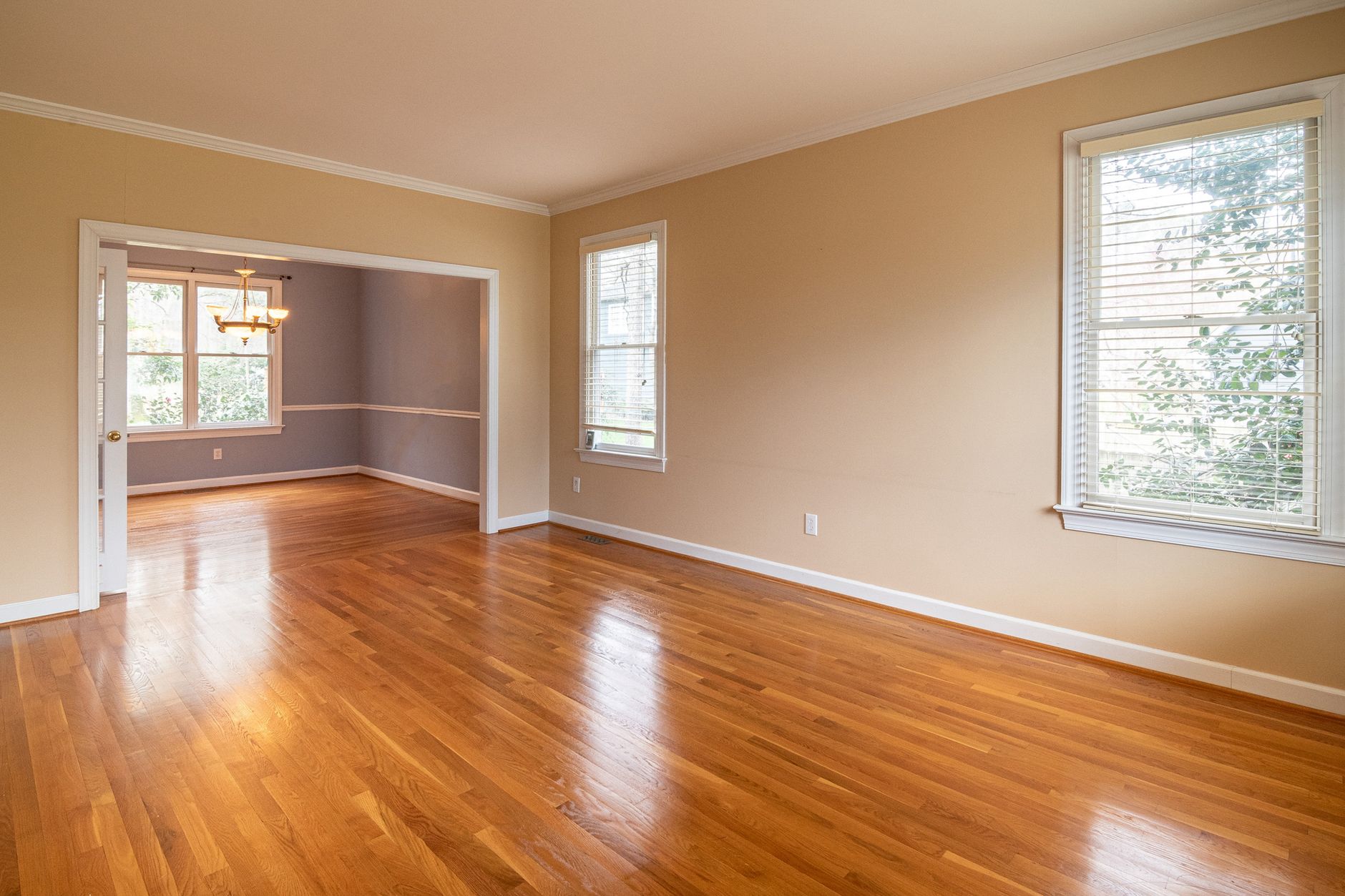
- Shoot during golden hour — the 60 to 90 minutes after sunrise or before sunset produce warm, diffused light that flatters interiors
- Use a wide-angle lens (16mm to 24mm equivalent) to capture full rooms without barrel distortion
- Turn on every light source — overhead fixtures, table lamps, floor lamps, under-cabinet LEDs — to eliminate shadows and create a welcoming glow
- Declutter ruthlessly before shooting; anything that does not serve the composition should be removed
- Shoot from doorways and corners to give the widest perspective and make rooms appear larger
- Maintain a consistent white balance across all images so the listing looks cohesive
- Bracket your exposures (HDR) to capture detail in both bright windows and darker interiors
Common Mistakes Agents Make with Empty Listings
Listing vacant properties without any staging. This is the single most expensive mistake in residential real estate marketing. Empty rooms photograph poorly, show badly, and generate fewer and lower offers.
Using only wide-angle shots to "show the space." Without furniture for scale, ultra-wide shots make rooms look distorted and oddly proportioned. Staging provides the reference points buyers need.
Skipping the virtual tour. Staged photos are essential, but 67% of buyers now expect a 3D tour or video walkthrough. AI-staged images can be incorporated into virtual tours to create a fully immersive experience.
Over-staging with too many styles. Consistency matters. If the living room is modern minimalist and the bedroom is shabby chic, buyers feel disoriented. Choose one cohesive style that aligns with the home's architecture and maintain it throughout.
Ignoring the exterior. Curb appeal drives click-through rates on listings. Stage the front porch with planters, a welcome mat, and outdoor seating before photographing.
How AI Staging Solves the Empty Room Problem at Scale
For agents managing multiple vacant listings simultaneously, physical staging becomes logistically and financially impractical. This is where AI staging delivers transformational value.
With StagingSpaces, a single agent can stage an entire portfolio of vacant properties in an afternoon. Upload the photos, select the design style, and receive publication-ready images that are optimized for MLS, social media, and print. The cost per image is a fraction of physical staging, and the turnaround time is measured in minutes rather than days.
The technology has matured dramatically. Modern AI staging platforms produce 4K, photorealistic output that accounts for natural light direction, shadow placement, perspective accuracy, and material texture. Buyers scrolling through listings cannot distinguish AI-staged images from photographs of physically staged rooms.
The Bottom Line
Staging an empty house for sale is not optional in 2026 — it is a fundamental requirement for competitive pricing and fast sales. The data is unambiguous: staged homes sell faster, sell for more, and generate significantly higher engagement online.
The decision between AI and physical staging depends on your budget, timeline, and listing strategy. For most agents, the optimal approach is a hybrid model: AI staging for online marketing, selective physical staging for showings, and professional photography to tie it all together.
Every empty room is a missed opportunity to tell a story. Stage it, photograph it, and let buyers see themselves living there. That is how listings become sales.